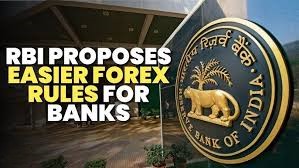
A New Era for Foreign Exchange: RBI Proposes Flexible Market Rules
The Reserve Bank of India has proposed significant reforms aimed at increasing flexibility in the foreign exchange market. On February 17, 2026, the Reserve Bank of India (RBI) released draft directions that could transform how "Authorised Persons" operate in the currency market.
Why This Matters
The global financial world moves fast, and the RBI wants to ensure India’s market remains competitive and modern. By reviewing the current regulations, the central bank is looking to hand more "operational keys" to Authorised Dealers (ADs)—the banks and entities licensed to handle foreign currency.
What Is Changing?
The core of this update is about flexibility. The RBI has identified three specific areas where rules are being refined to help dealers serve the economy better:
- Product Innovation: Dealers will have more freedom to design and offer a wider variety of foreign exchange products to their clients.
- Smarter Risk Management: Instead of following a strict, one-size-fits-all rulebook, dealers will have more flexibility in how they manage and mitigate financial risks.
- Modern Platforms: The review includes updates to the platforms where forex dealings happen, ensuring they are efficient and up to date.
The Roadmap to Change
This isn't a sudden move. It is the direct result of a policy statement released by the RBI on February 6, 2026, which promised to improve regulations based on the evolving needs of the market.
Have Your Say
The RBI is currently in a "consultation phase," meaning they want to hear from the people who actually use these markets—from large banks to independent stakeholders.
- The Deadline: You have until March 10, 2026, to submit your comments.
- How to Respond: You can email your feedback to helpdoc@rbi.org.in. Make sure your subject line reads: "Feedback on Draft Directions on Foreign Exchange Dealings of Authorised Persons".
- Physical Mail: If you prefer paper, you can send your thoughts to the Chief General Manager at the RBI’s Financial Markets Regulation Department in Mumbai.
By opening these rules up for discussion, the RBI is ensuring that the final version of these laws will be practical, modern, and ready for the future of Indian finance.

Comments
No Comments yet